-
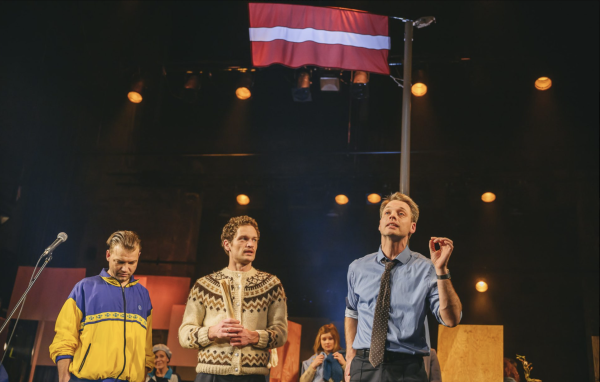
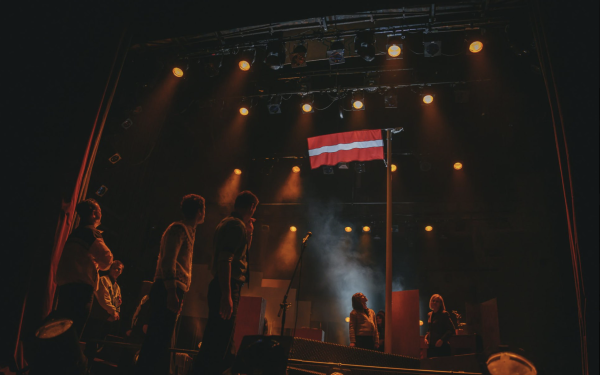
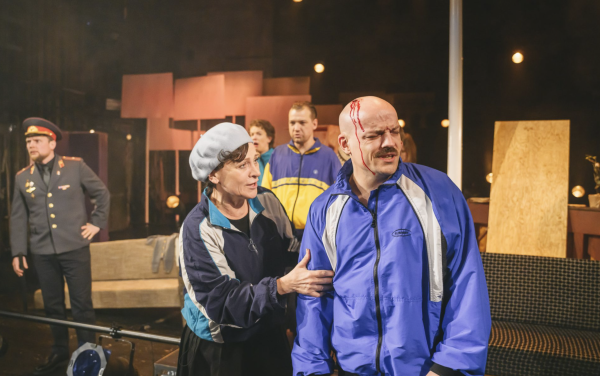
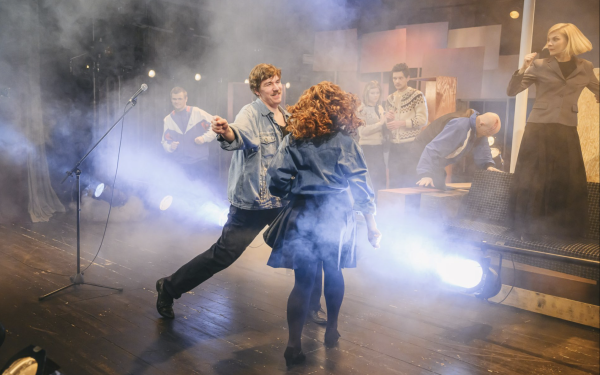
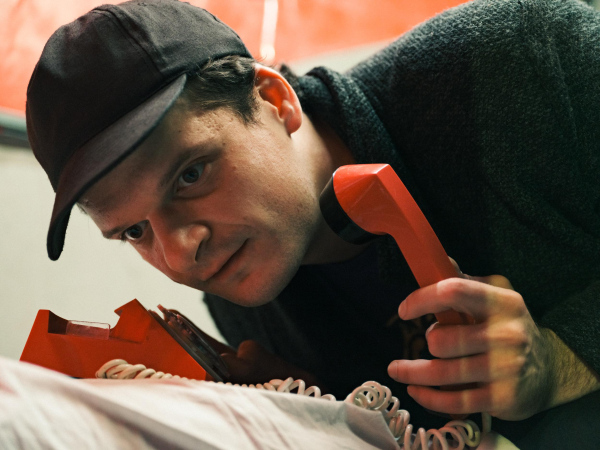
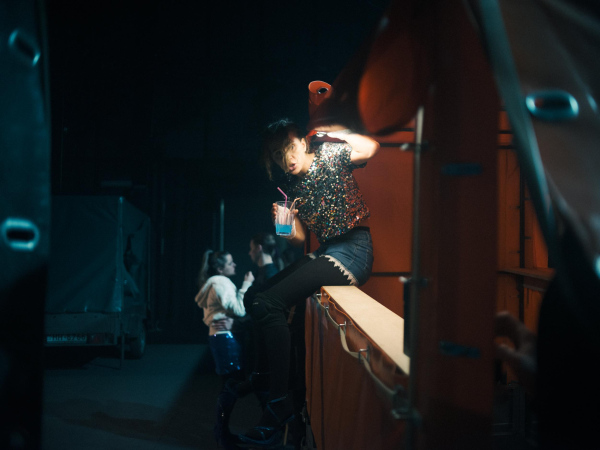
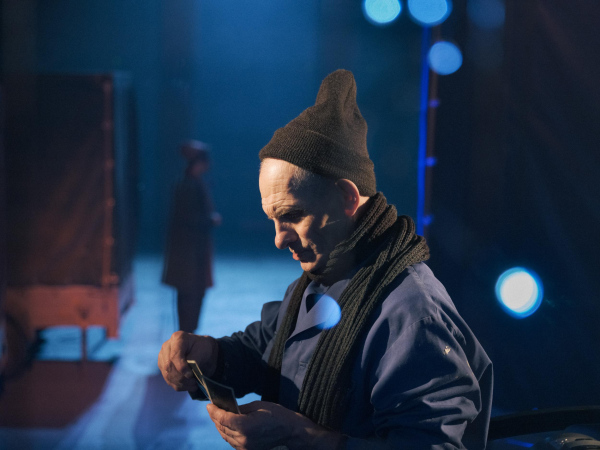
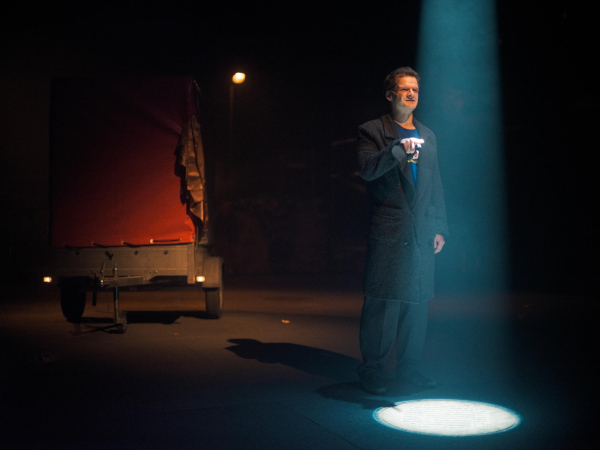
MARIA, STILL UNKNOWN
Latvian Academy of Culture (LATVIA / RIGA)
PREMIERE: 07.12.2025.
Based from Anton Chekhov's The Seagull
Concept and Direction Elmārs Seņkovs
Set Designer Adriāns Toms Kulpe
Costume Designer Annemarija Ščegoļeva
Choreographer Sintija Skrabe
Lighting Designer Niks Cipruss
Technical Support Markus Antons Kohtanens, Mikus Krastiņš, Nauris Pinne, Rūdolfs Segliņš, Niklāvs Šūpols
Producers Kristīne Freiberga, Elza Strazdiņa, Ance Bergmane
Executive Producer Rasa Beatrise Krūmiņa
Cast Kristaps Kristers Ozols, Matīss Kučinskis, Olafs Putrālis, Polina Čerņenoka, Rūdolfs Sprukulis, Tomass Ralfs Ābolkalns, Velta Birze, Elizabete Milta, Laura Siliņa, Inese Kučinska
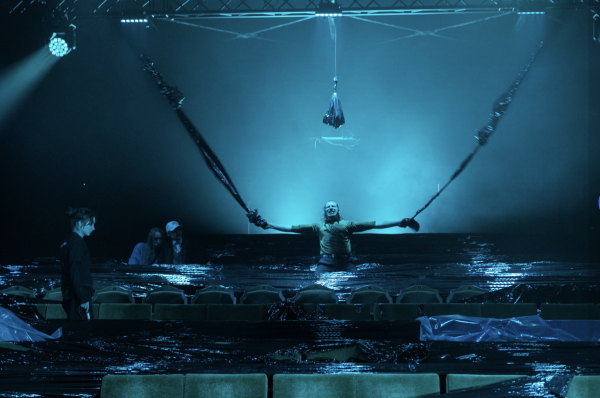
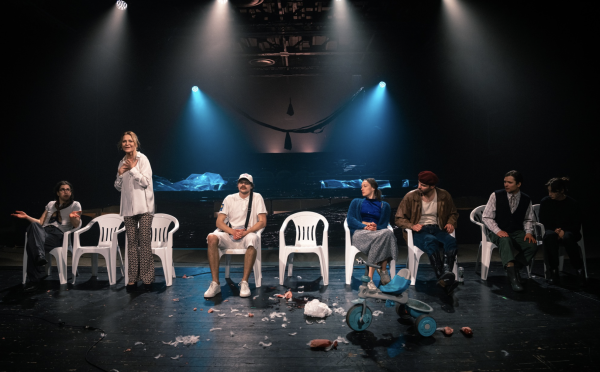
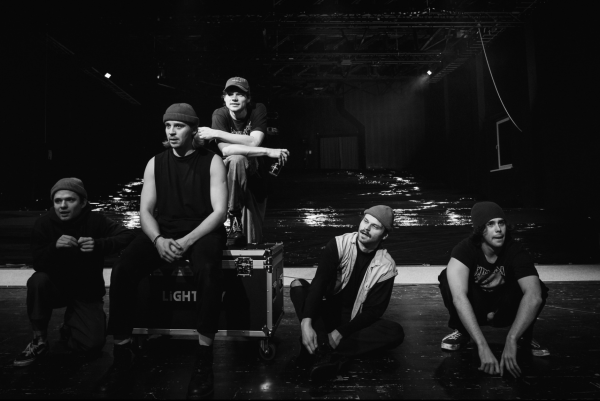
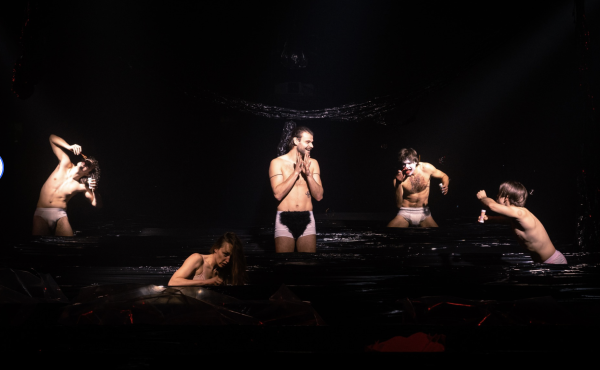
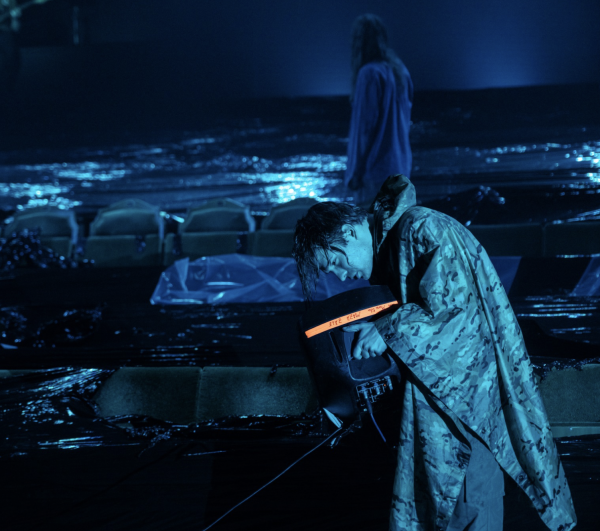
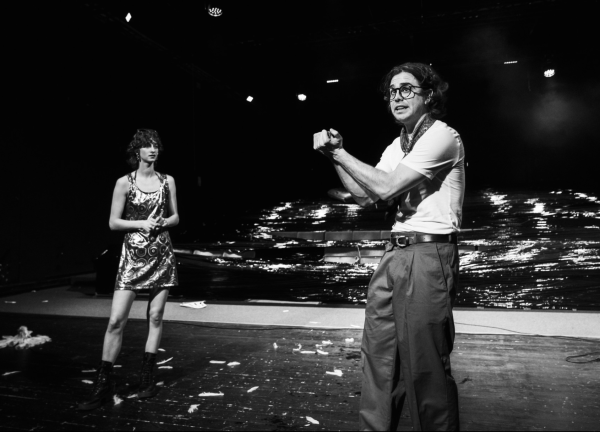
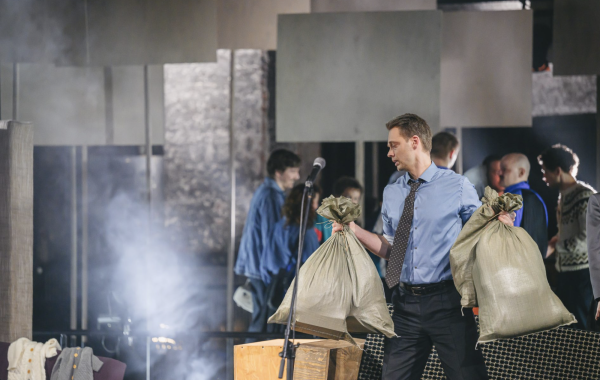
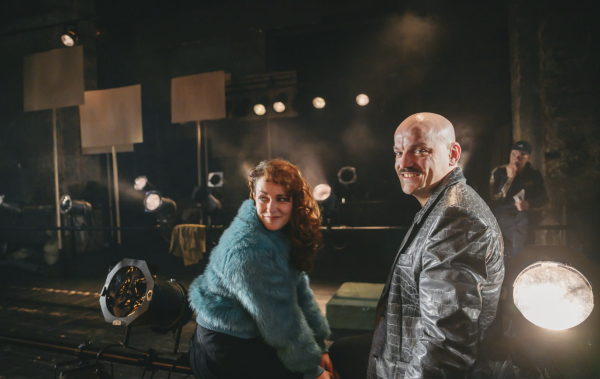
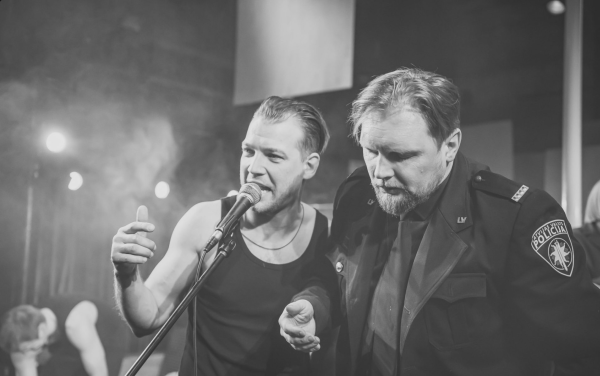
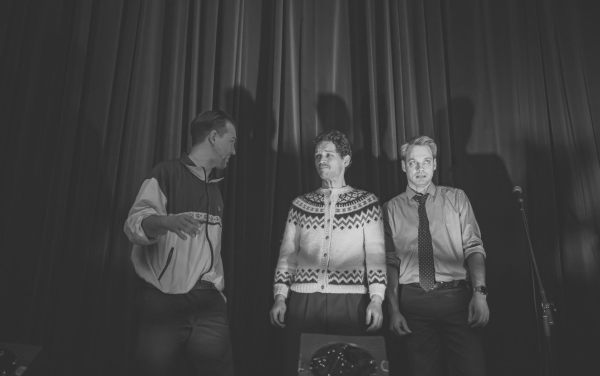
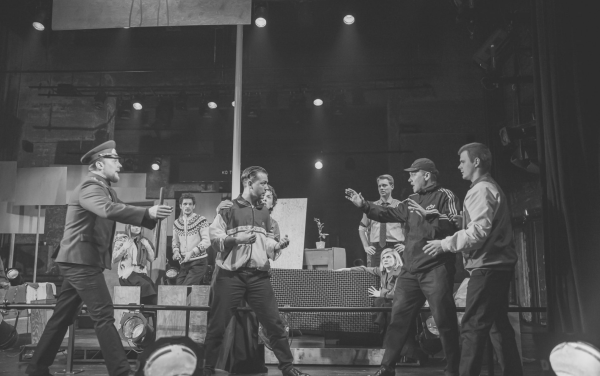
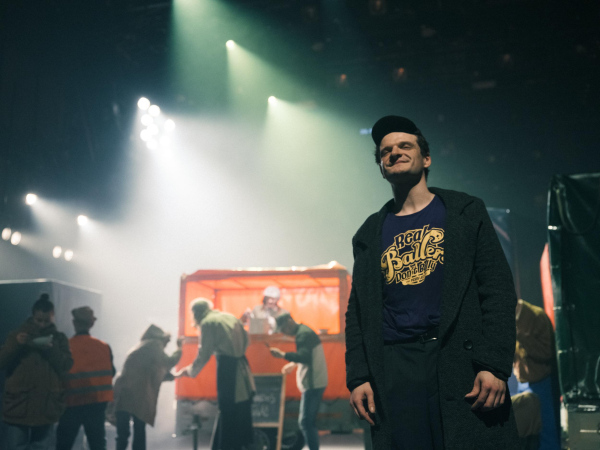
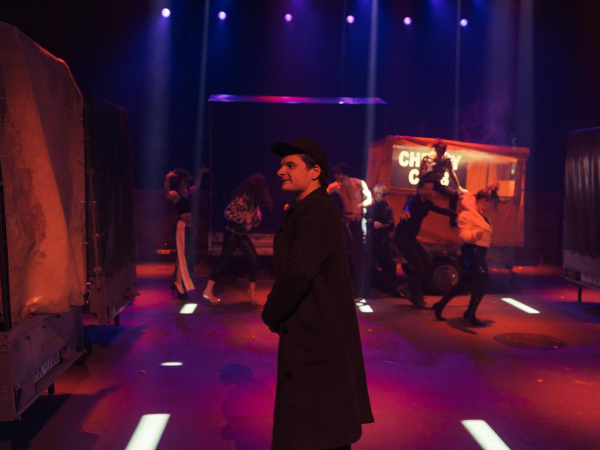
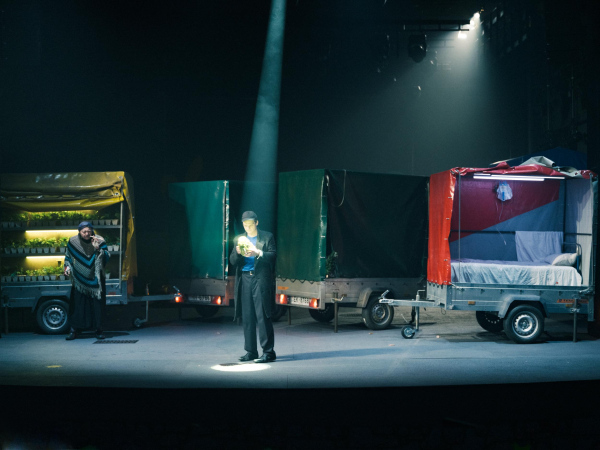
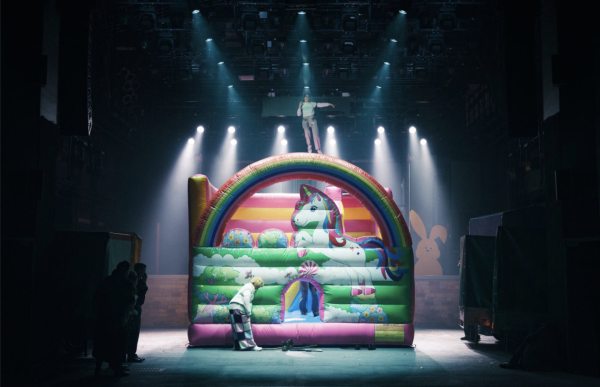
His will be the second version of a well-known and successful production, bringing together graduates of the Latvian Academy of Culture once again to revisit essential questions about the role of the artist in today’s context — this time in a different space, form and scale.
This time, at Miera Street, the actors will take their places among the audience, while the spectators will find themselves behind the curtain, observing the characters’ passions unfold by the lakeside of a countryside estate.
It is the same, yet a different performance — with fresh accents in both content and form, and an important continuation of the creative exploration, now presented on a larger scale. A reunion — no longer as students, but as professional actors from different theatres, including the Latvian National Theatre, Valmiera Theatre, Liepāja Theatre and others.
-
THE BALTIC CALF
Liepāja Theatre (LATVIA / LIEPĀJA)
PREMIERE: 12.04.2025.
Artūrs Dīcis "The Baltic Calf"
Set Designer and Costume Designer: Reinis Suhanovs
Composers: Edgars Mākens and Edgars Rubenis
Lighting Designer: Mārtiņš Feldmanis
Video Artist: Dainars AlbužisActors: Mārtiņš Kalita, Edgars Ozoliņš, Gatis Maliks, Kaspars Kārkliņš, Agnese Jēkabsone, Everita Pjata-Gertnere, Inese Kučinska, Hugo Puriņš, Sandis Pēcis, Laura Jeruma, Kintija Stūre vai Madara Kalna, Kaspars Gods vai Armands Kaušelis, Artūrs Irbe
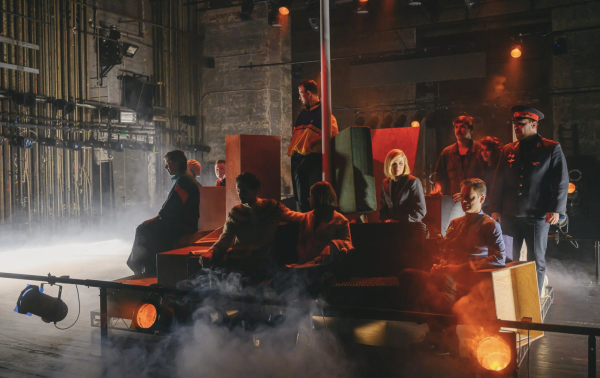
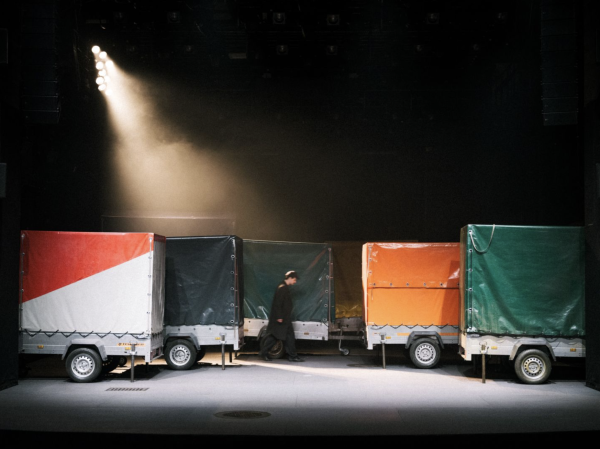
Once upon a time — on 23 August 1989 — some two million people joined hands to form a 670-kilometre-long human chain. They did not do it for a Guinness World Record. They were driven by a longing for freedom and by ideals. Three small nations sent a clear and unwavering message to the whole world: we want to regain the independence we have lost.
This is a story about those seemingly distant times, and about three Latvian fathers who were — and still are — prepared to do whatever it takes to fight for a free Latvia and for the happiness of their families within it.
They fought for freedom together. But when it came to defining happiness, their interpretations were rather different. Will they be prepared to trample on another compatriot’s happiness in order to secure their own?
Hardly. Because surely we all understand that only by remaining strong and united can we keep ourselves from disappearing into the pages of history.
Don’t we?
-
CALL ME CALENDAR
Klaipėda Drama Theatre (LITHUANIA/ KLAIPEDA)
PREMIERE: 14.02.2025.
Based on Andris Kalnozols’ novel Calendar Calls Me.
Novel and stage adaptation translated from Latvian by Laimantas Jonušys
Director and Stage Adaptation: Elmārs Seņkovs
Set Designer: Reinis Suhanovs
Assistant Set Designer, Costumes: Laura Ruškytė
Dramaturg: Loreta Kalniņa
Choreographer: Sintija Skrabe
Composer: Edgars Mākens
Lighting Designer: Niks Cipruss
Assistant Director: Marius Pažereckas
Stunt Assistants: Rokas Tomaševičius, Darius Matevičius
Actors: Džiugas Grinys, Darius Meškauskas, Eglė Barauskaitė, Vaidas Jočys, Jonas Baranauskas, Toma Gailiutė, Renata Idzelytė, Karolis Maiskis, Samanta Pinaitytė, Simona Šakinytė, Mikalojus Urbonas, Justina Vanžodytė, Alius Veverskis, Jonas Viršilas / Edvardas Brazys, Marius Pažereckas, Antanas Razgauskis, Linas Rubinas, Aleksandras Burovas
We would like to thank the Children’s Choir of Klaipėda Vydūnas Gymnasium, led by artistic director Arvydas Girdzijauskas, for contributing to the musical design of the performance I Am Called Calendar.
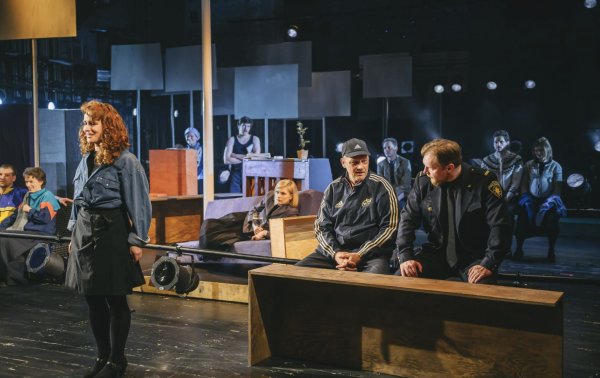
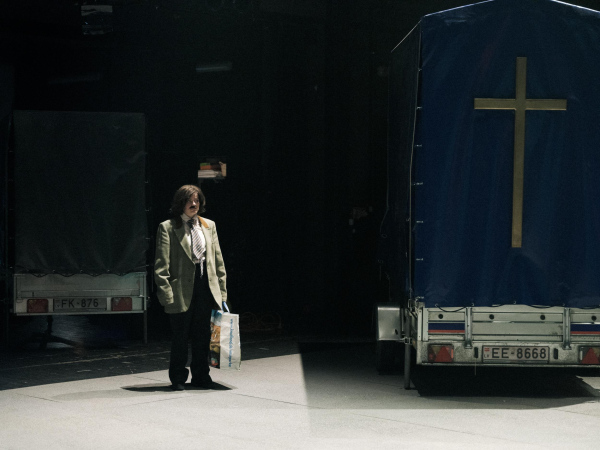
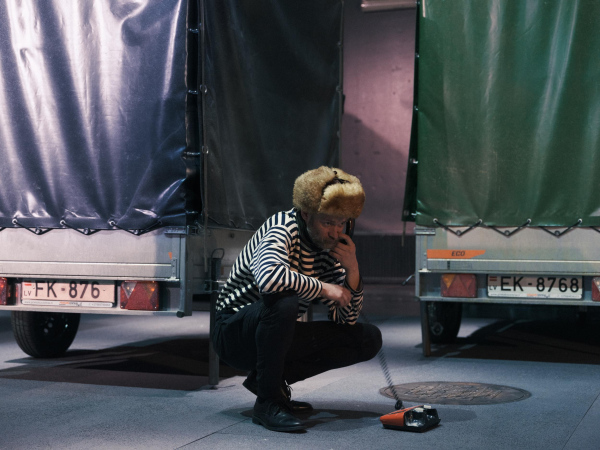
Until now, Oskars has lived a secluded life with his mother, Klara, in a small Latvian town. He has memorised the dates of everyone’s name days, and the locals have nicknamed him “Calendar.” It is important for Oskars to walk a lot and avoid stress, otherwise he may find himself back in the clinic. Once a week, he visits the local priest, Arvydas, for a conversation. Gradually, his everyday life begins to change when the priest suggests that he choose the most important word of the week and write about it every day.
The performance I Am Called Calendar unfolds through the entries in Oskars’s diary. They reveal his distinctive and often striking way of looking at the world, while drawing us into a series of moving and humorous twists and turns. Oskars gradually becomes an important figure in the small town and in the lives of its other lonely outsiders.
The performance is based on the cult novel I Am Called Calendar by Latvian writer, actor and director Andris Kalnozols. In 2021, the novel received the Latvian Literature of the Year Award in the category of Best Debut. It is one of the most unique and memorable works of recent Latvian literature and has resonated widely with readers. The Lithuanian translation was published in 2022, translated by Laimantas Jonušys and published by Odilė.
“This young, strong, yet ‘fragile-nerved’ man is concerned with things that, at first glance, perhaps should not concern him at all — such as what is real and what is true. ‘The dates are real, and people’s names are true. That is why I can be at peace. Everything else comes with a question mark’ (p. 183). And, of course, there is far more that comes with a question mark. Every human being is, after all, a question mark.
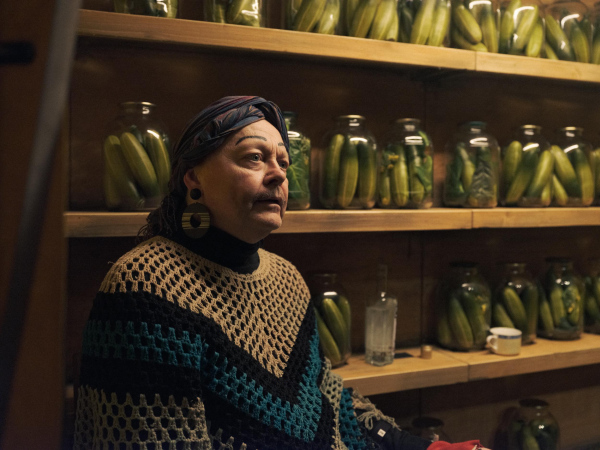
Who would have thought that old Janina, who drinks and fills her entire garden with marrows, does so in memory of the man she loved — because the marrows grew from a single seed found in his pocket?
Oskar comes up with a wonderful charitable soup made from those marrows: after all, every hungry person has the right to a bowl of hot soup. There must be some kind of order that protects the hungry. An order that, if only for a moment, lets the dog off the chain. There must be some kind of way out for the old and the lonely. ‘If you are old and alone, call us and we’ll think of something,’ Oskar writes in an advertisement addressed to those between seventy and one hundred years old. And people begin to respond.
There must be actions that revive the spirit and allow us to experience our connection with one another. What is humanity in the difficult everyday life of human beings, if not connection, speaking and listening, if not charitable soup, when necessary? But perhaps it is something more, too. Why not theatre — created from those very same words that matter to us in some way?”
-